Parrish FL Hard Water Pool Problems and Prevention
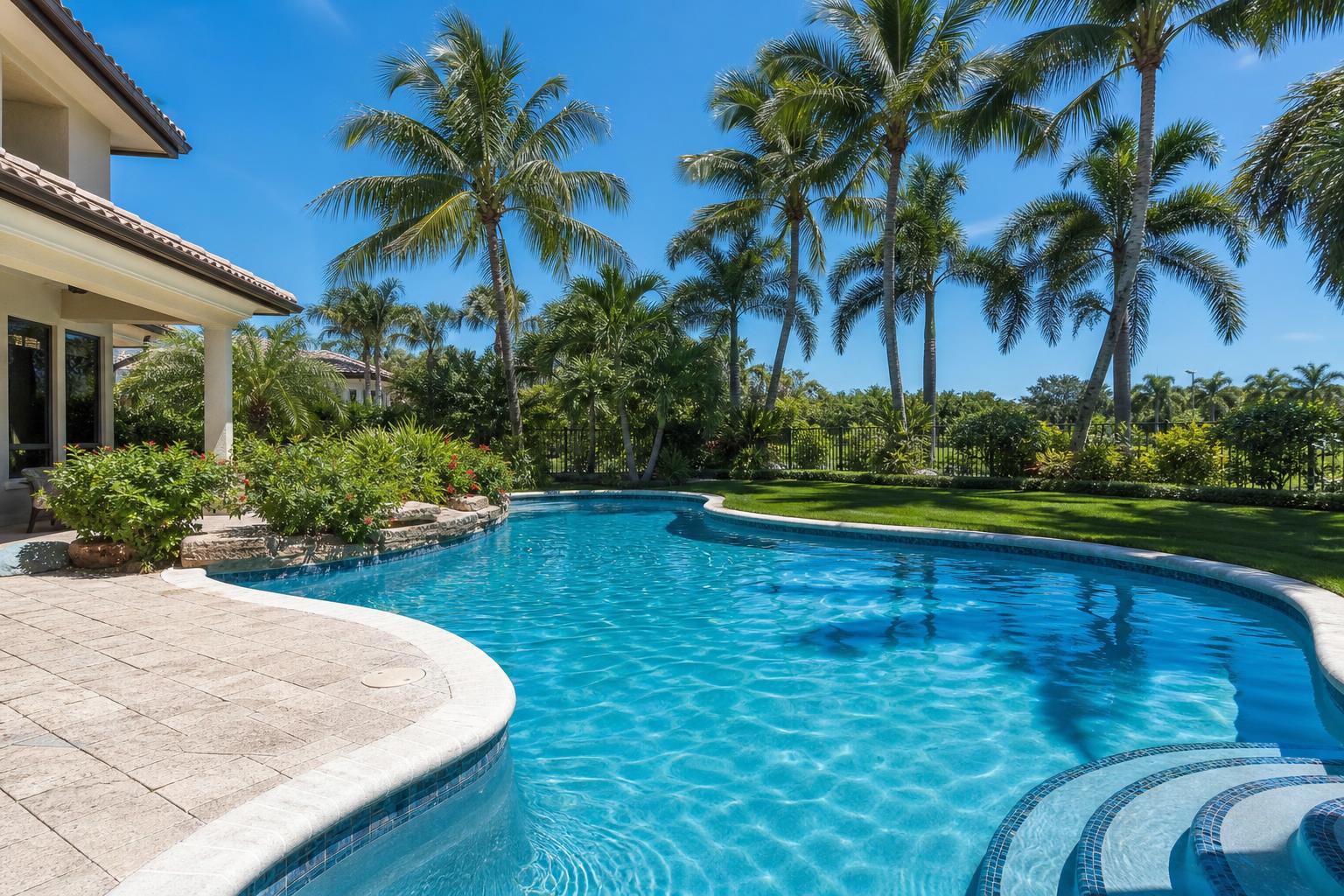
Parrish FL Hard Water Pool Problems and Calcium Scale Are a Real Headache
If you own a pool in Parrish FL, hard water pool problems and calcium scale prevention are probably something you deal with more than you would like. The water in our area is naturally high in minerals, especially calcium and magnesium. When those minerals build up in your pool, they leave behind a rough, white, crusty residue called calcium scale. It clings to your tile, coats your pool walls, and clogs your equipment. The good news is that with the right approach, you can keep your pool looking beautiful all year long.
Why Hard Water Is Such a Big Problem in Parrish and Bradenton
Florida groundwater is loaded with dissolved minerals. When this water is pumped into your pool, those minerals do not just disappear. As the water evaporates in our intense Florida summer heat, the minerals stay behind and concentrate. Over time, that concentration builds up into visible scale deposits. In Parrish and Bradenton, where homeowners use their pools year-round, this problem gets worse faster than in cooler climates. You are not imagining it if your pool tile looks like it has a permanent white crust on it. That is calcium carbonate doing exactly what chemistry says it will do in warm, evaporating water.
Signs Your Pool Has a Hard Water and Calcium Scale Problem
Not sure if calcium scale is your issue? Here are the most common warning signs that Florida pool owners should watch for:
White or gray crusty buildup along the waterline tile is the most obvious sign. You might also notice rough, sandpaper-like surfaces on your pool walls or steps. Cloudy water that does not clear up even after shocking the pool is another red flag. Your pool equipment, including the pump, filter, and heater, can also get clogged with mineral deposits, which shortens its lifespan significantly. If your water feels slippery or looks dull instead of sparkling, high calcium hardness could be to blame.
Testing Your Water Is the First Step to Calcium Scale Prevention
Proper Parrish FL hard water pool problems calcium scale prevention starts with knowing exactly what is in your water. You need to test for calcium hardness regularly. The ideal range for pool water is between 200 and 400 parts per million. If your reading climbs above 400, you are in the danger zone for scale formation. You should also test your pH levels, total alkalinity, and cyanuric acid. All of these factors work together to determine something called the Langelier Saturation Index, which tells you whether your water is likely to form scale or corrode surfaces. Keeping all of these numbers balanced is the key to a healthy pool in our Florida climate.
Proven Prevention Tips for Lakewood Ranch and Bradenton Pool Owners
Pool owners in Lakewood Ranch and Bradenton face the same hard water challenges. Here are practical steps you can take to reduce calcium buildup before it becomes a major problem:
First, test your water at least once a week during the summer months and at least every two weeks during the cooler season. Second, use a sequestering agent or scale inhibitor product regularly. These chemicals bind to calcium and other minerals in the water and keep them from sticking to surfaces. Third, keep your pH between 7.4 and 7.6 at all times. High pH dramatically increases the rate of scale formation. Fourth, consider partially draining and refilling your pool when calcium hardness gets too high. Fresh water dilutes the mineral concentration and gives you a fresh start. Fifth, brush your pool walls and tile weekly to prevent light deposits from hardening into stubborn scale.
How to Remove Existing Calcium Scale From Your Pool
If scale has already formed, do not panic. Light deposits on tile can sometimes be scrubbed away with a pumice stone or a tile brush designed for pools. For heavier buildup, you may need a professional acid wash or a specialized calcium scale remover chemical. Be careful using acid-based products without experience because they can damage your pool surface and irritate your skin and eyes if not handled correctly. For gunite or plaster pools, which are very common throughout Parrish, Palmetto, and Ellenton, a professional service is almost always the safer choice for removing heavy scale deposits.
Why Primo Pool Care Is the Right Choice for Hard Water Issues in Parrish FL
Handling Parrish FL hard water pool problems and calcium scale prevention on your own can feel overwhelming, especially when you are busy enjoying the Florida lifestyle. That is where Primo Pool Care comes in. We are a local, professional pool service company with deep experience serving homeowners across Parrish, Bradenton, Palmetto, Lakewood Ranch, Ellenton, and Duette. We understand the unique water chemistry challenges that come with living in this part of Florida. Our team tests and balances pool water the right way, treats scale problems before they get out of hand, and keeps your equipment running efficiently all year long. We take the guesswork out of pool maintenance so you can focus on what matters most: enjoying your pool.
Contact Primo Pool Care Today and Protect Your Pool
Do not let hard water and calcium scale ruin your pool or your equipment. Primo Pool Care is ready to help you get your water balanced and keep it that way through every season. Whether you need a one-time treatment or a regular maintenance plan, we have a solution that fits your needs and your budget. Call us today at (941) 222-2092, send us an email at info@primopoolcareflorida.com, or visit our website at primopoolcareflorida.com to schedule your service. Your pool deserves the best care, and that is exactly what Primo Pool Care delivers.
Need weekly pool service in Parrish? Primo Pool Care is local and CPO-certified — $145/mo for screened pools, $165 for unscreened, chemicals included. See our Parrish pool service page or call/text (941) 222-2092.